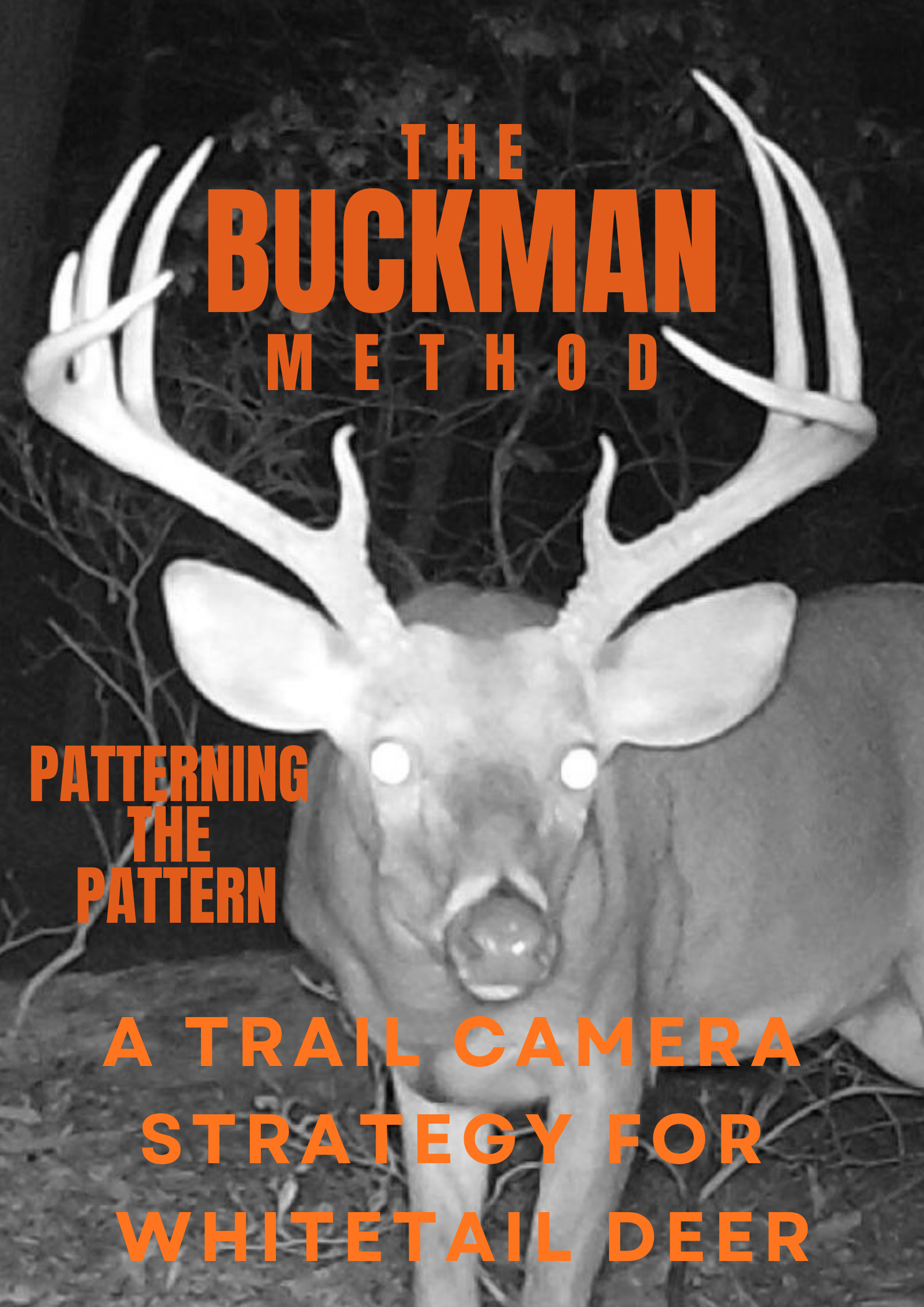
Infrared trail camera photo of a mature whitetail buck staring into the lens at night
A WHITETAIL HUNTING SYSTEM

The BuckmanMethod

Calling, cameras, stand placement, scent, built one book at a time by a guy who treats a hunting property like a data set.

REC --/--/---- --:-- -- CAM 01 BOOK TWO NOW AVAILABLE
SCROLL

A trail camera is never just a camera. A rattle sequence is never just noise. Every piece of this system exists to answer one question: not what a deer did once, but what he does when nobody's watching, often enough that it stops being luck.
— Mike Buckman
THE SERIES

Five books. One property, read like data.

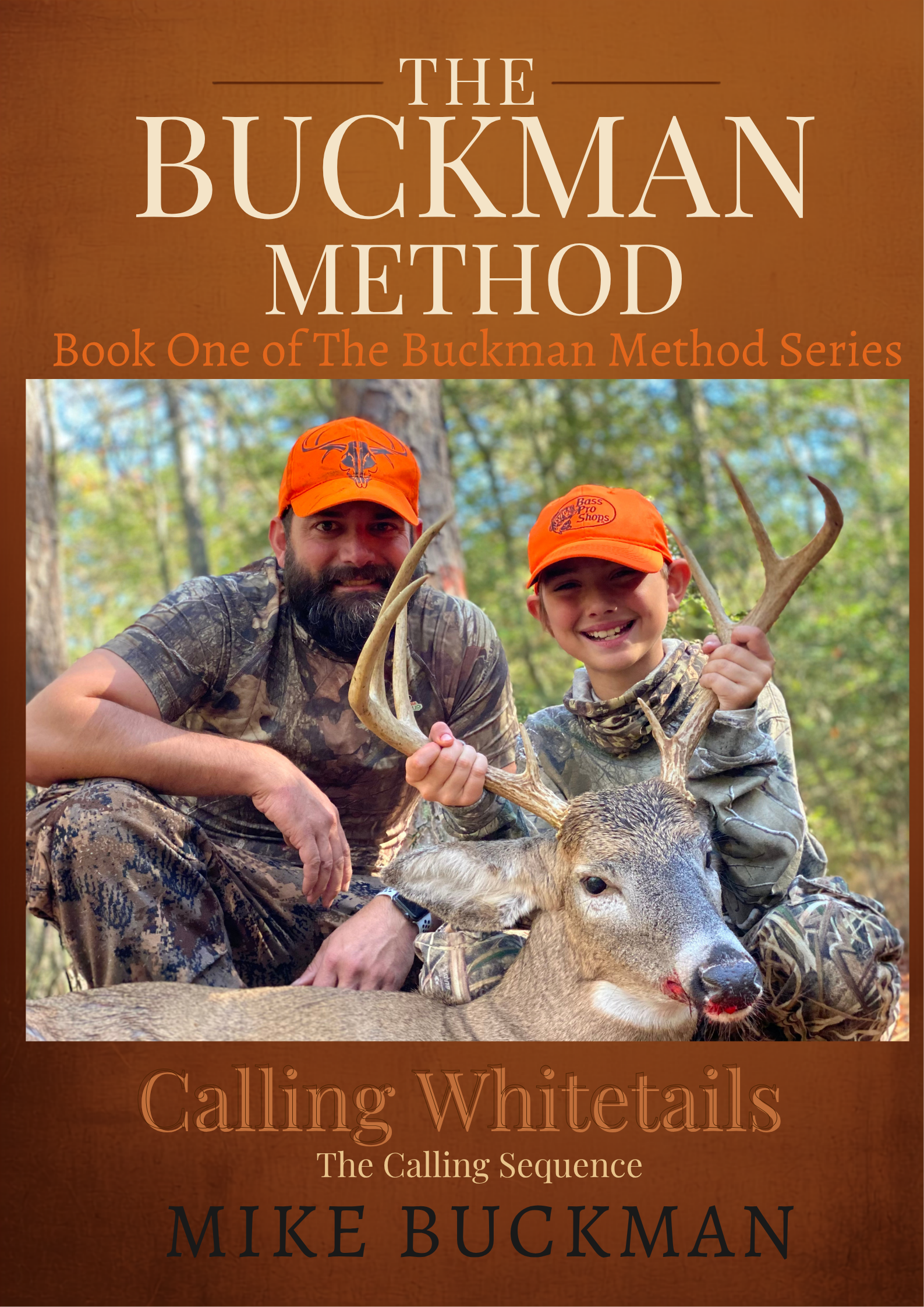
Calling Whitetails book cover
01AVAILABLE NOW

The Calling Sequence

A whitetail deer calling and rattling guide. Grunt calls, rattling, snort-wheeze, tending grunts, and the mistakes that cost hunters mature bucks.

"The full call is the estrous bleat done two to three times, immediately followed by the tending grunt, moving the sound left to right like a buck actively chasing a doe around. As soon as those grunts finish, roll straight into the clicking sound... held for roughly eight to ten seconds. Then, with whatever air is left in your diaphragm, push out one final low, guttural grunt to finish it.

I have never personally witnessed a deer make that sound since. In twenty-four years in the woods after that day, I've only seen and heard it happen naturally two other times."

Buy the Book
Patterning the Pattern book cover
02AVAILABLE NOW

Patterning the Pattern

A trail camera strategy for whitetail deer. Time-lapse scouting, placement by height and sign and water, choosing the right camera, and building a multi-year file on an individual deer.

"My default preference is to avoid the roughly four-and-a-half to five-foot mark entirely — that's eye level for a deer looking straight ahead, and it's exactly where I see most people mount their cameras... Given the choice between three feet and seven feet, I'll take seven every time. At around six and a half to seven feet... the camera sits above a deer's normal eyesight and stays out of their attention entirely.

I've pulled plenty of cameras where a deer's nose was practically touching the lens, which only happens because it clearly noticed the camera and came in to investigate it."

Buy the Book
COVER
TBD
03IN DEVELOPMENT

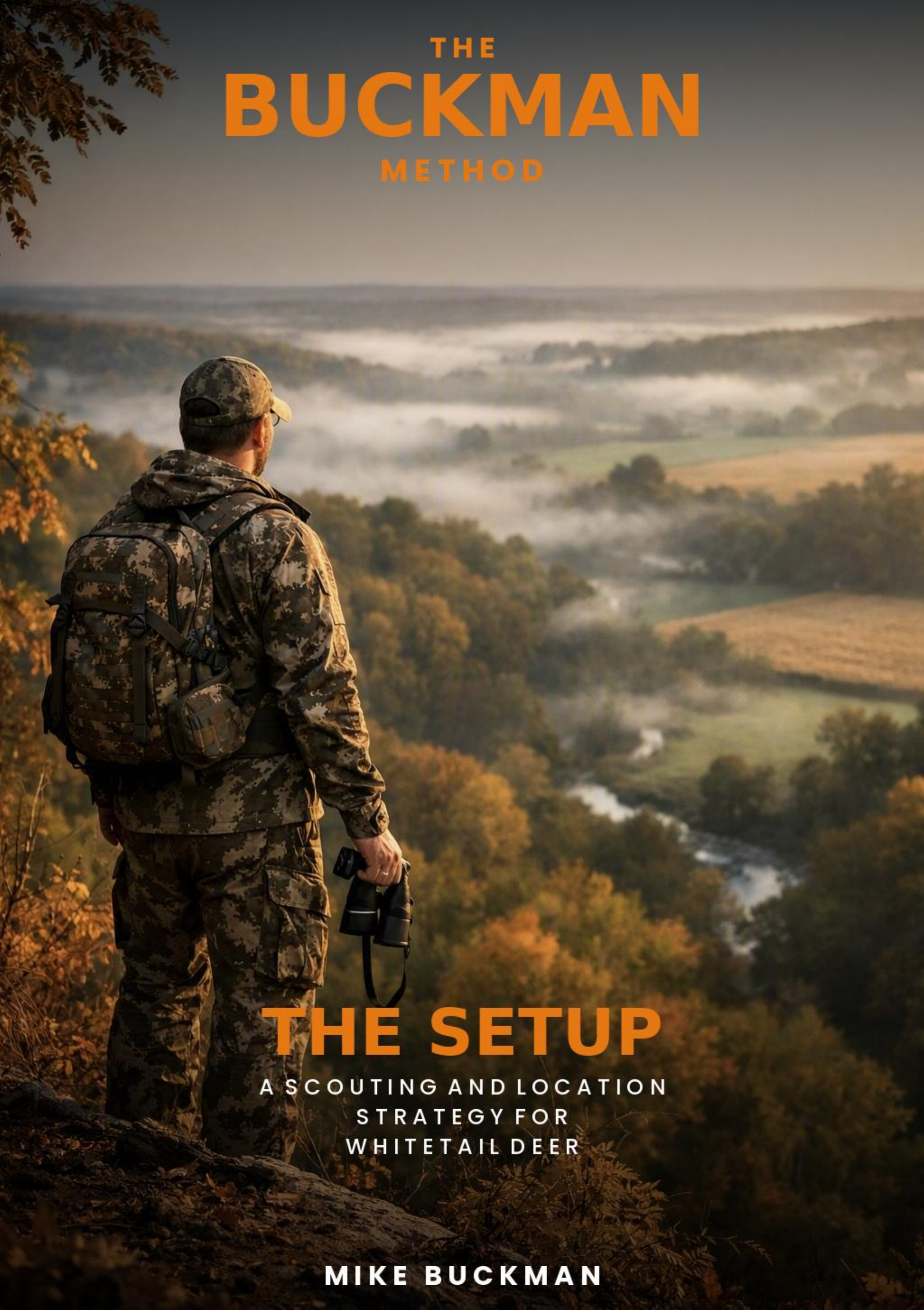
Scouting & Stand Placement

Turning everything the cameras tell you into an actual stand location.

Coming Soon
COVER
TBD
04IN DEVELOPMENT

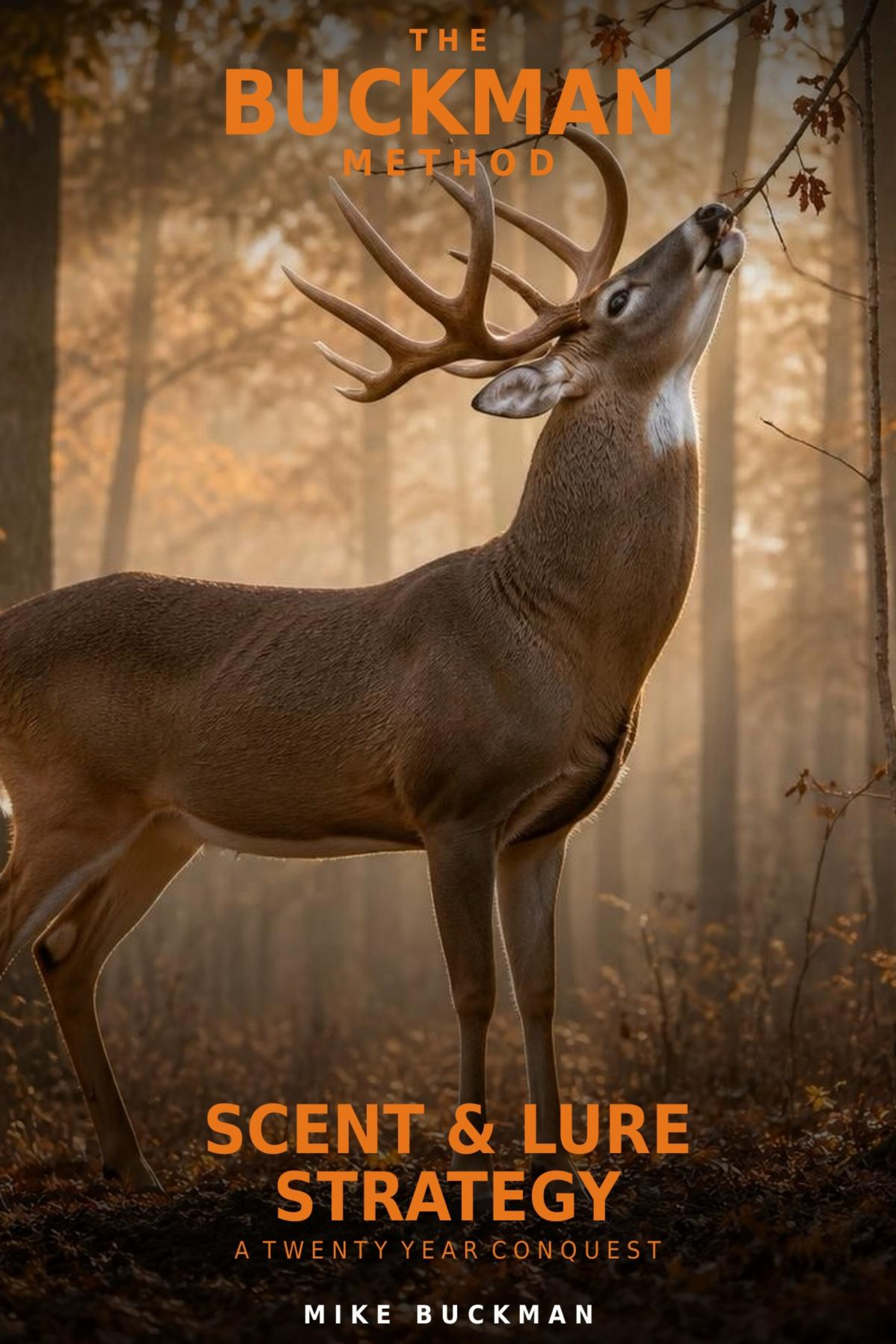
Scent & Lure Strategy

Using scent, mock scrapes, and lures as active tools, not just avoiding detection.

Coming Soon
COVER
TBD
05PLANNED

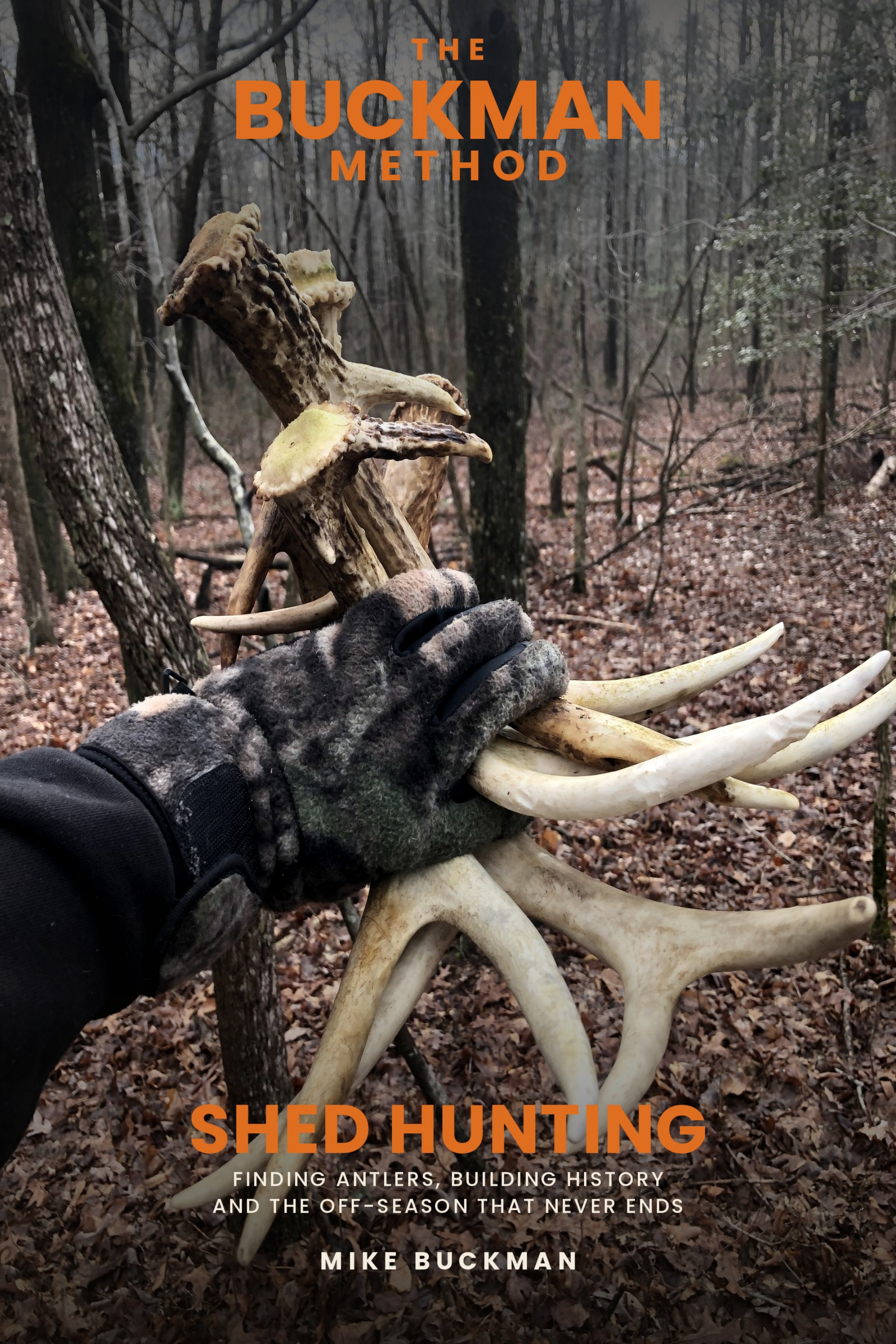
Shed Hunting

The next season's intel, found before it ever starts.

Coming Soon
STAY ON THE LIST

Get the Next Book the Day It Drops

No spam, no third-party lists. Just an email when Book Three is ready.

ABOUT THE AUTHOR

Meet Mike

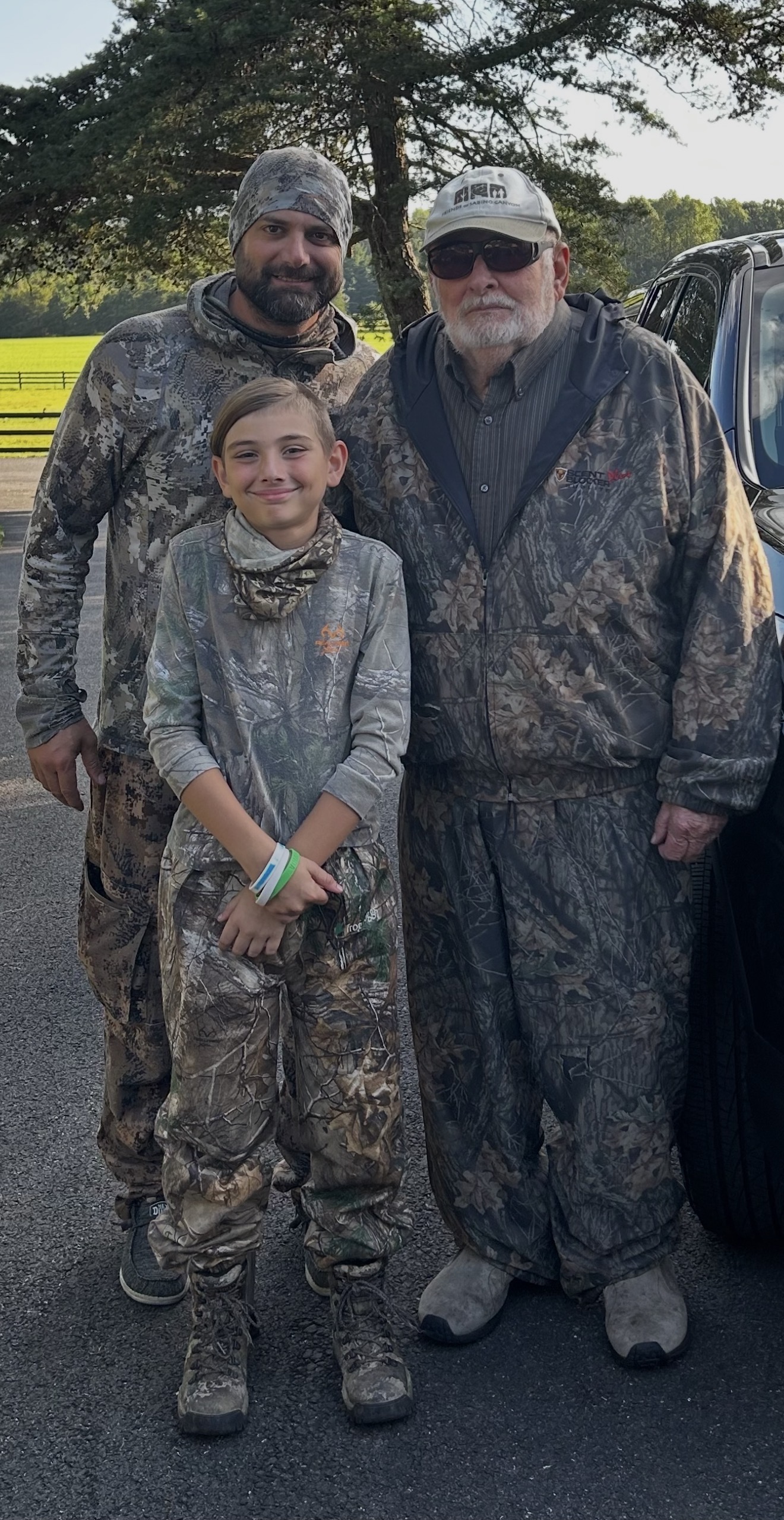
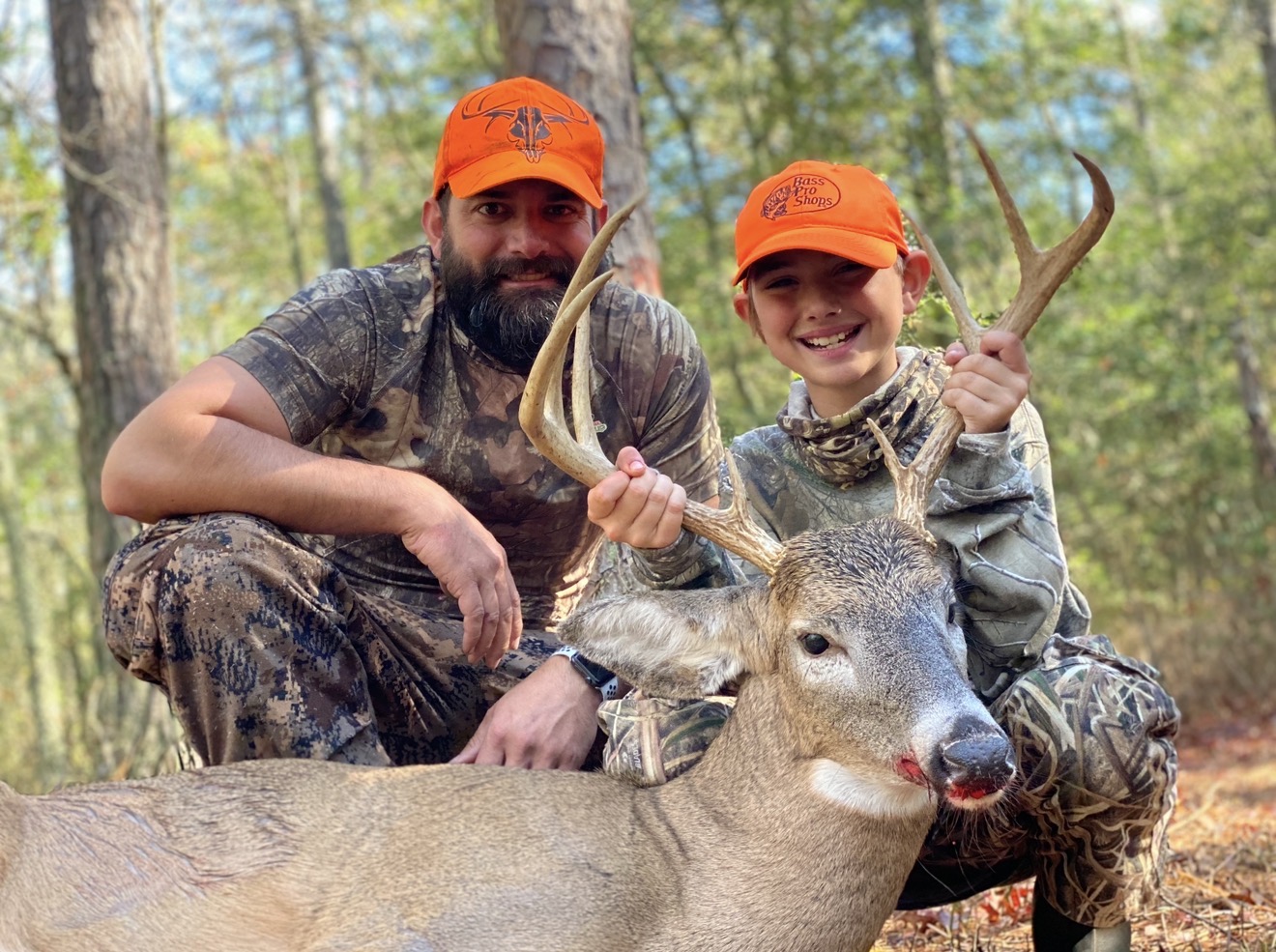
Mike Buckman with his father and son Lucas

Mike Buckman spent two decades in logistics before he ever put it into words: managing a hunting property is a data problem. Every trail camera, every rattle sequence, every stand placement is a variable — and the deer are showing you the pattern if you're paying attention.

The Buckman Method started as notes Mike kept for himself, then for his son Lucas, now on his own hunts. It's grown into a series built the same way: one book, one system, one season at a time.

Mike splits his time managing warehouse operations and logistics — the kind of work where patterns and repeatable systems aren't optional, they're the job. That same instinct followed him into the woods.

What started as personal notes on calling sequences and trail camera timing turned into something worth writing down properly, then worth sharing. Lucas has been alongside him for most of it — not just hunting, but learning to read the same patterns his dad does.

The Buckman Method isn't about luck or secret spots. It's about paying close enough attention that the deer basically tell you what they're going to do next.